

Surprising Art Facts You Can Share at Holiday Parties
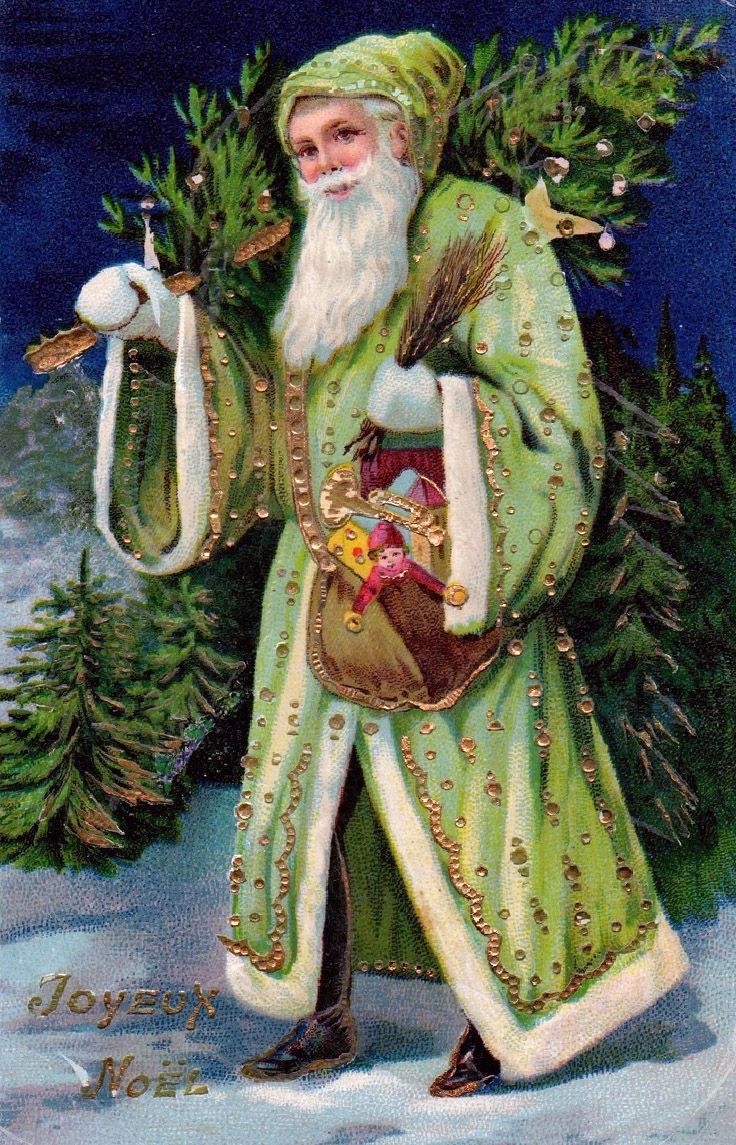
(1) Christmas Wasn’t Always Painted in Red and Green
While red and green are now synonymous with Christmas, early holiday artwork didn’t always use this color combo. In medieval Europe, Christmas scenes often featured deep blues, golds, and earthy tones. Red and green became popular later due to evergreen symbolism and the vibrant red dyes that became more accessible in the 19th century—especially after mass-produced holiday cards took off.
(2) Santa’s Iconic Look Wasn’t Always Standard
Before the 20th century, artists depicted Santa Claus in a wide range of styles—sometimes tall and thin, sometimes wearing green, blue, or even brown robes. It wasn’t until illustrators like Thomas Nast in the 1800s helped popularize the jolly, red-suited Santa that the image became consistent in art and advertising.
(3) The First Christmas Cards Were Works of Art
The first commercial Christmas card was created in England in 1843—and it was hand-illustrated. Early holiday cards were often designed by professional artists and featured detailed paintings, festive symbolism, and even social commentary. In many ways, Christmas cards helped bring fine art into everyday homes.
(4) Snowy Christmas Scenes Are a Romanticized Idea
Many classic Christmas paintings feature snowy villages and frost-covered landscapes—but historically, this wasn’t always accurate. Some of the most iconic snowy Christmas imagery comes from a colder-than-average period known as the Little Ice Age (roughly 1300–1850). Artists painted what they saw, and wintery scenes became forever linked with the holiday season.
(5) Candlelight Changed How Artists Painted Christmas
Before electric lighting, Christmas celebrations were often lit by candles. Artists had to master the challenge of painting warm, glowing light against dark surroundings. This is why many classic holiday artworks feature dramatic contrast, soft shadows, and golden highlights—techniques that still influence winter and holiday art today.
(6) Angels Are One of the Most Repeated Figures in Art History
Angels appear frequently in Christmas-themed artwork, but their look has evolved dramatically over time. Early angels were often serious and powerful figures, not the soft, cherub-like characters we see today. Renaissance artists gradually transformed angels into gentler, more decorative figures, shaping how we imagine them during the holidays.
(7) Holiday Art Helped Shape Modern Gift-Giving
Many early Christmas paintings emphasized generosity, family gatherings, and charity—long before modern gift culture existed. These artworks helped reinforce the idea of Christmas as a time for giving, warmth, and togetherness, themes that continue to dominate holiday imagery today.
(8) A Fun Fact Worth Sharing
Next time you’re at a holiday party, try this line:
“Did you know snowy Christmas scenes became popular because artists were literally painting colder weather centuries ago?”
Instant conversation starter.
Bonus Fact: Art Makes the Holidays Even Richer
Christmas art isn’t just decorative—it tells stories about history, culture, and how people have celebrated the season across generations. These fun facts remind us that the images we associate with the holidays didn’t just appear overnight—they were shaped by artists, traditions, and a little bit of creative magic.