

Are Data Centers the new "Not In My Backyard” Issue?
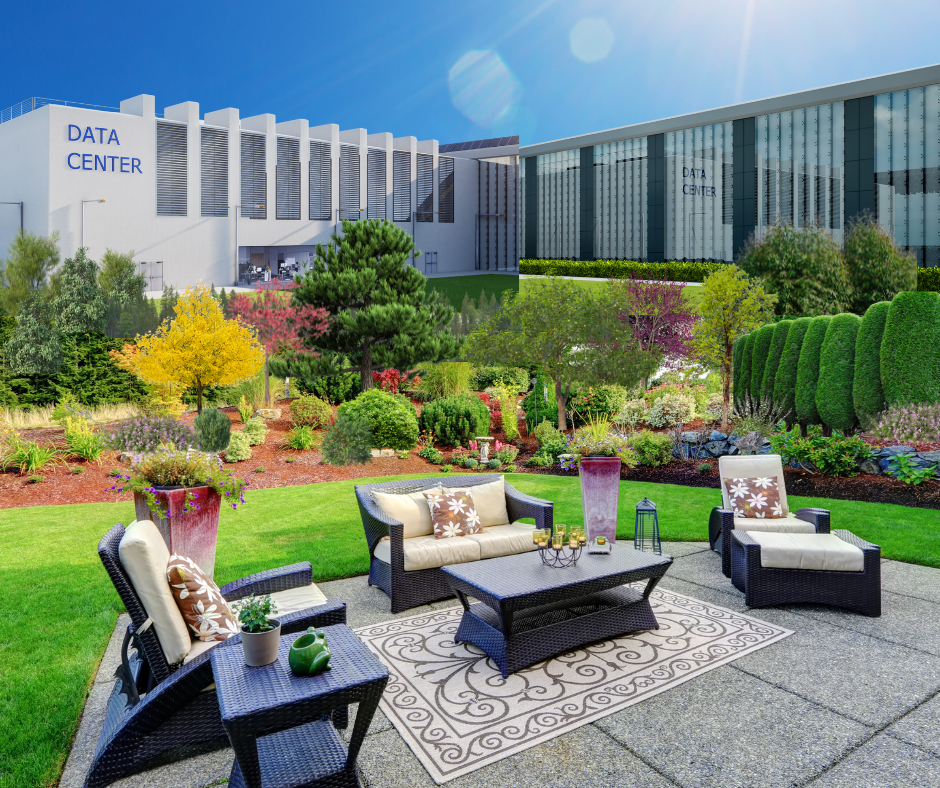
--> How Could Data Centers Be Considered a Local Issue?
The concern is not simply that data centers exist, but how quickly and dramatically they are expanding. The U.S. Department of Energy reported that data centers used about 4.4% of the nation’s electricity in 2023, and that share could rise significantly by 2028.
Because these facilities require enormous amounts of electricity (*and sometimes water) their effects are often felt most strongly by nearby communities. Residents may worry about higher utility rates, costly grid upgrades, noise, water use, lost farmland, and who will pay for new infrastructure. Those concerns grow when projects move forward quickly or without clear public information.
--> The New "Not In My Backyard" Debate
Although people rely on cloud storage, streaming, online shopping, and AI, many do not want the data centers supporting those services built nearby. A 2026 Gallup survey found that 70% of Americans opposed a local AI data center, citing concerns such as water and electricity use, noise, pollution, traffic, and higher utility costs. This suggests data centers are becoming as much a land-use and community-planning issue as a technology issue.
--> Why Rural Communities Are in the Spotlight
Many planned data centers are moving into rural areas, where larger parcels of land, fewer zoning restrictions, and access to power infrastructure make development easier. While these projects can bring investment, construction jobs, and tax revenue, residents may worry about losing open land, quiet surroundings, and the character of their communities.
--> What Communities May Gain
Data centers can bring tax revenue, construction jobs, skilled positions, infrastructure improvements, and new business investment. However, these benefits are not guaranteed, especially when tax incentives reduce local revenue or communities must help pay for upgrades to roads, utilities, and emergency services. Careful financial planning and clear rules about who covers those costs are essential.
Not every objection to a data center is simple “NIMBYism.” Residents may support technology while still asking whether a project is appropriate for their community and how it will affect water, electricity, noise, taxes, and property values.
*** The better question may be: What would make a data center a responsible neighbor?
((That could include)):
-- Public disclosure of projected electricity and water use
-- Noise limits and independent monitoring
-- Requirements that developers fund necessary grid and utility upgrades
-- Protections preventing residential customers from absorbing project-related costs
-- Water-recycling or low-water cooling systems
-- Buffers between facilities and nearby homes
-- Local hiring and job-training commitments
-- Community-benefit agreements
-- Meaningful public hearings before projects receive approval
--> Finding a Better Balance
Data centers are essential to modern digital life, but communities should not be expected to approve every proposal without transparency, protections, and a fair share of the benefits. Whether they become a symbol of progress or the next major “Not in My Backyard” issue will depend on how responsibly companies and governments address their effects on land, water, power, and local residents.
--> An AI-Free Space to Create
At Pinot’s Palette, creativity is still powered by people—not prompts, algorithms or data centers. It’s a chance to unplug, pick up a paintbrush and enjoy the simple, human experience of making something with your own hands.
Share More About This Issue | Come Paint & De-Stress (Ai-Free Fun)