

Why Do Reboots, Sequels, and Spin-Offs Still Rule Pop Culture?
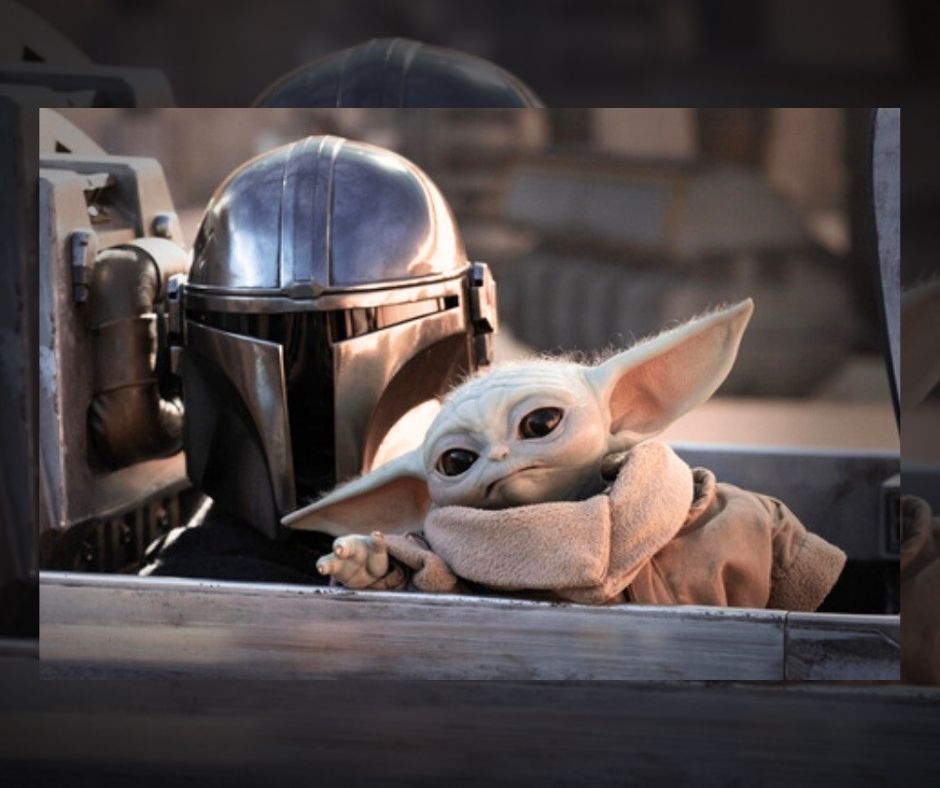
These stories endure because they tap into something deeply human: our relationship with nostalgia, comfort, and shared cultural memory.
*** Familiar Stories Feel Safer—and Smarter
From a business perspective, familiar franchises are a safer bet. Audiences already understand the world, the tone, and the emotional stakes. Studios know there’s a built-in audience, and viewers know what they’re signing up for.
But it’s not just about risk reduction. Sequels and spin-offs allow creators to expand worlds that still have something left to say—whether that’s exploring new characters, modern themes, or untold corners of a familiar universe.
*** Nostalgia Is a Powerful Force
Nostalgia isn’t just longing for the past—it’s emotional shorthand. When audiences return to worlds like Star Wars or the Marvel universe, they’re not only watching a story unfold—they’re reconnecting with who they were when they first fell in love with it.
In uncertain times, familiar stories can feel grounding. They offer comfort, continuity, and a sense of shared experience across generations.
*** Spin-Offs Let Stories Breathe
Spin-offs exist in an interesting creative space. They don’t have to retell an origin story or outdo a beloved original—they simply get to expand.
Shows like Better Call Saul prove that spin-offs can deepen emotional impact by shifting perspective. Side characters become fully realized leads. Moral gray areas get more room. The universe feels richer instead of recycled.
*** Reboots Reflect the Times We’re In
Reboots often get criticized, but they also serve a purpose: reinterpretation. A reboot allows creators to update themes, representation, and cultural context for a new generation.
A modern reboot isn’t always about replacing the original—it’s about reframing it. New audiences get an entry point, while longtime fans get to see how the story evolves alongside society.
*** Shared Universes Create Shared Conversations
Part of what keeps sequels and franchises thriving is their ability to generate communal moments. Whether it’s theorizing online, watching premieres together, or debating endings, these stories create collective experiences.
Franchises like Marvel Cinematic Universe thrive because they invite long-term engagement. Each installment becomes part of a bigger conversation—one that unfolds over years, not just a single release weekend.
*** Original Ideas Still Matter—But So Does Continuity
Original stories haven’t disappeared; they’re just sharing space with legacy content. Many creators now use the visibility and resources of established franchises to push creative boundaries in subtle ways—through character development, genre blending, or unexpected emotional depth.
In that sense, reboots and sequels aren’t the enemy of creativity. They’re a different expression of it.
*** Why They’re Not Going Anywhere
As long as audiences crave connection, familiarity, and stories that grow with them, reboots, sequels, and spin-offs will remain a dominant force. They evolve because we do—reflecting our changing values, fears, and hopes through worlds we already know.
Pop culture isn’t stuck in the past. It’s building on it.